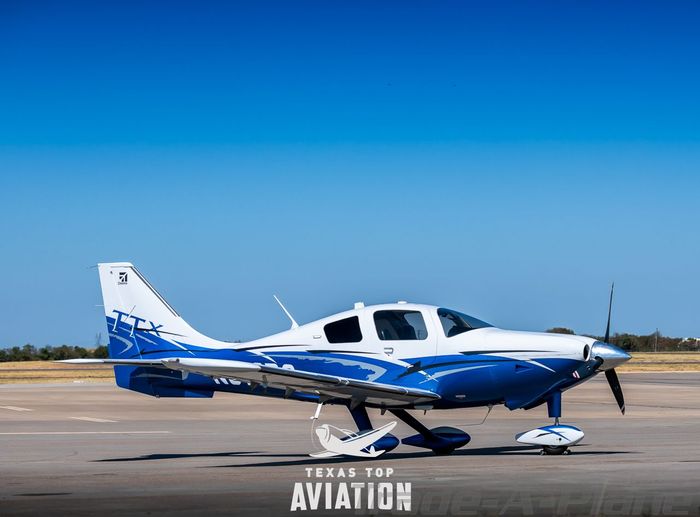
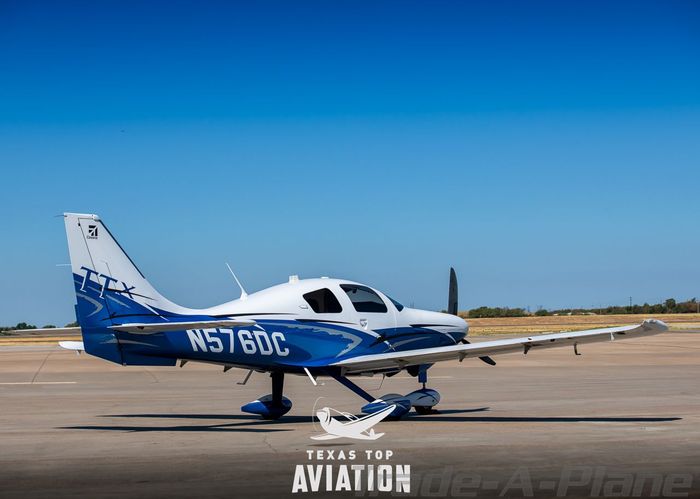
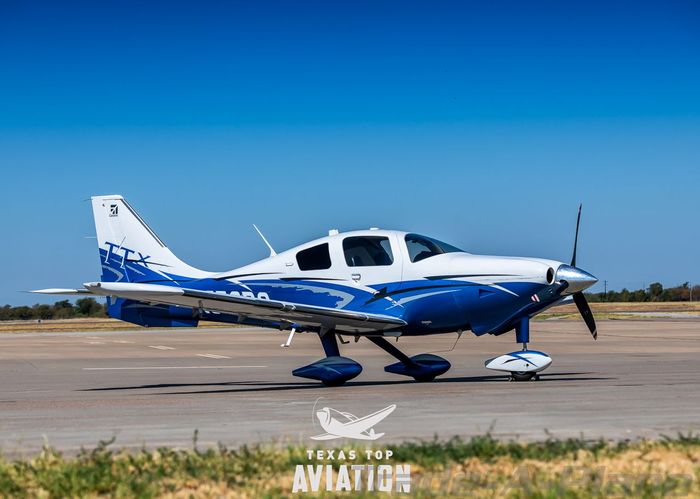
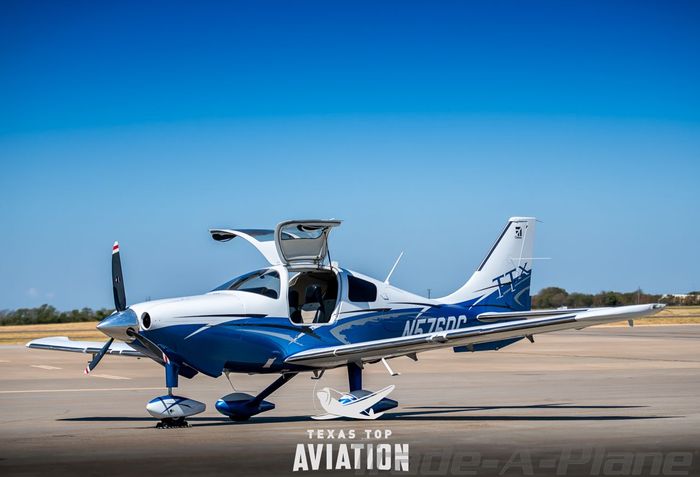
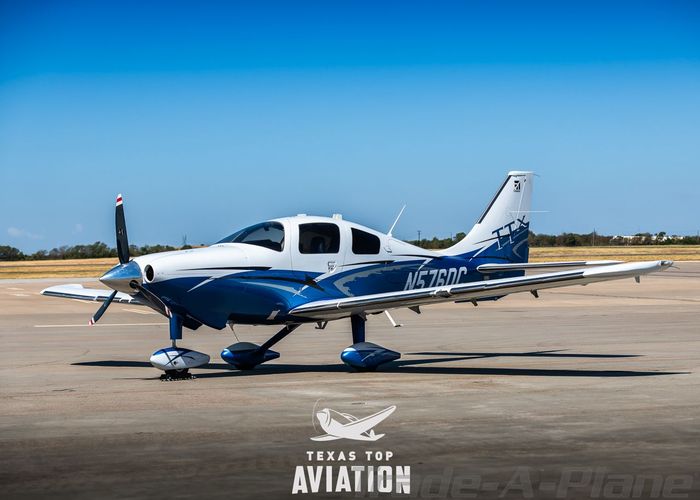
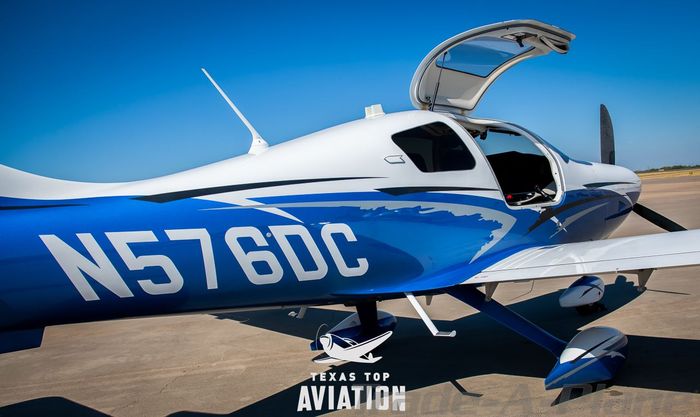
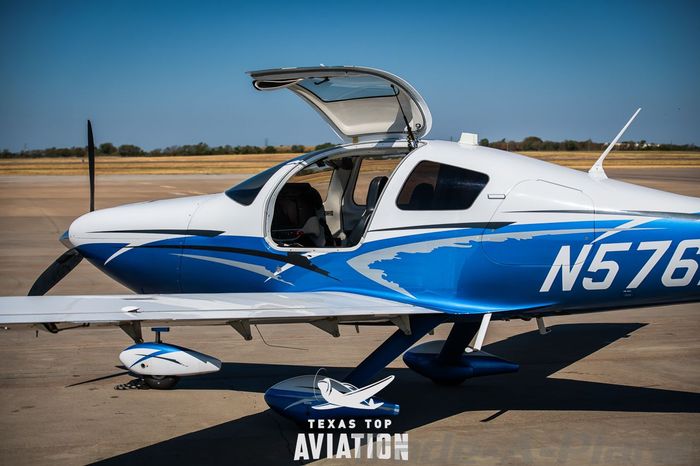
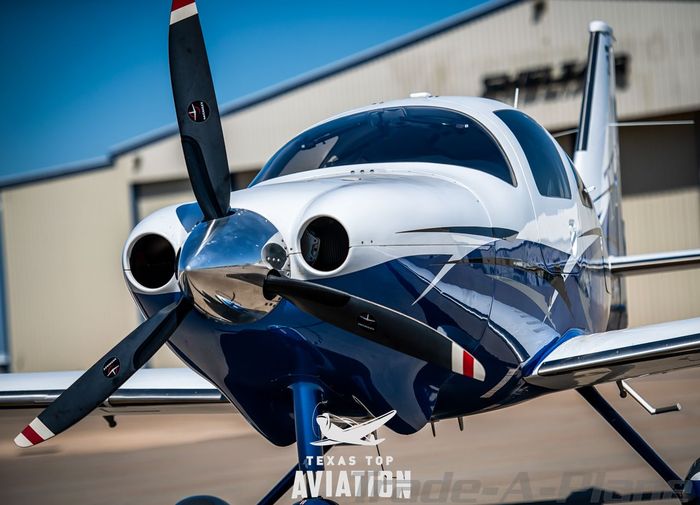
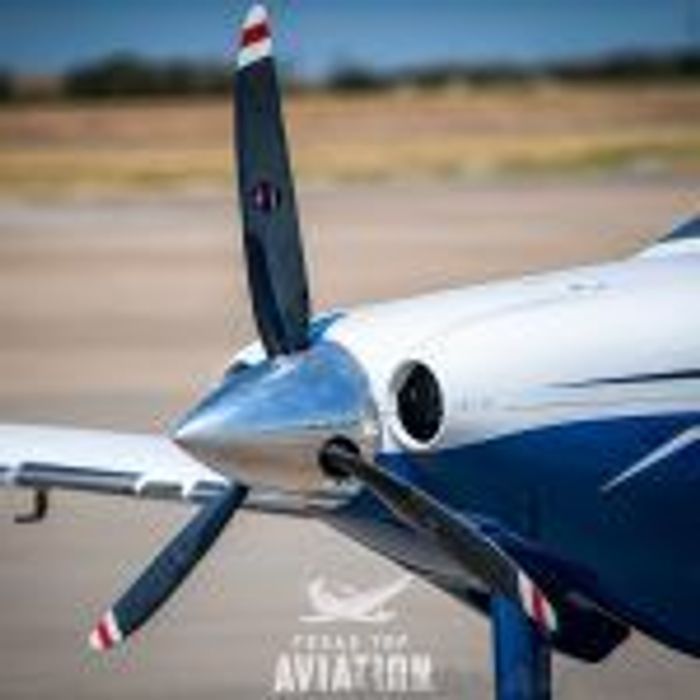
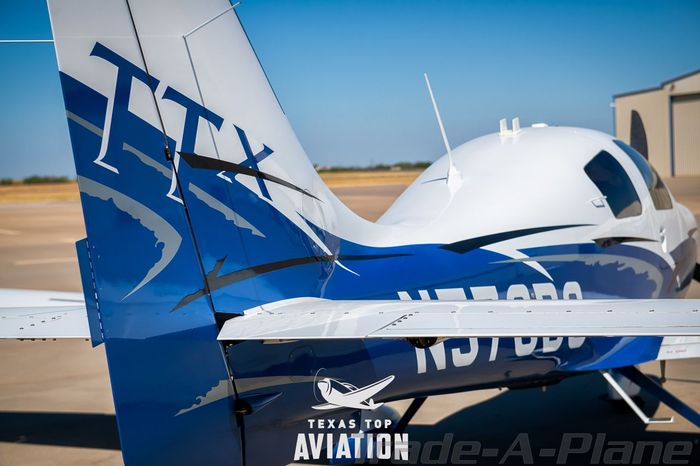
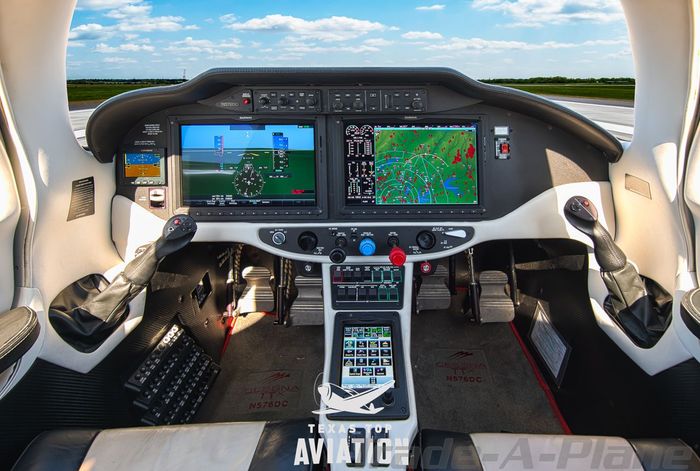
For the owner-pilot who has outgrown a normally aspirated single but is not ready for the acquisition and operating cost of a turbine, the Cessna TTx occupies a narrow and valuable position in the market. N576DC is a 2015 TTx with 1,485 hours total time since new and 1,346 hours on its turbocharged Continental TSIO-550-C, and it was ordered with virtually every option Cessna offered.

The TTx is the final development of the Columbia airframe. Cessna acquired the composite Columbia 400, refined it, and equipped it with the Garmin G2000 touchscreen flight deck, the GFC-700 autopilot with Electronic Stability Protection, and a redesigned interior. Production ran from 2013 until the line closed in 2018, and the number built is small.

What distinguishes this particular aircraft is its specification. Flight Into Known Icing. Air conditioning. Built-in oxygen. Speed brakes. Synthetic Vision, traffic, terrain and ADS-B Out. Oregon Aero seating. These are the items buyers search for and rarely find together on the used market, and each was fitted at the factory rather than added later.

310 turbocharged horsepower, a service ceiling of 25,000 feet, and 235 knots true airspeed at altitude, with published range of 1,250 nautical miles on 102 gallons of usable fuel.

Translated into trips, that is Texas to either coast with a single fuel stop, on a schedule comparable to an airline itinerary, in an aircraft you control. At the mid-teen altitudes most owners actually use, plan on approximately 210 knots true on 16 to 17 gallons per hour. For an owner flying regularly for business or family, the time returned over a year of trips is considerable.
Avionics / Equipment
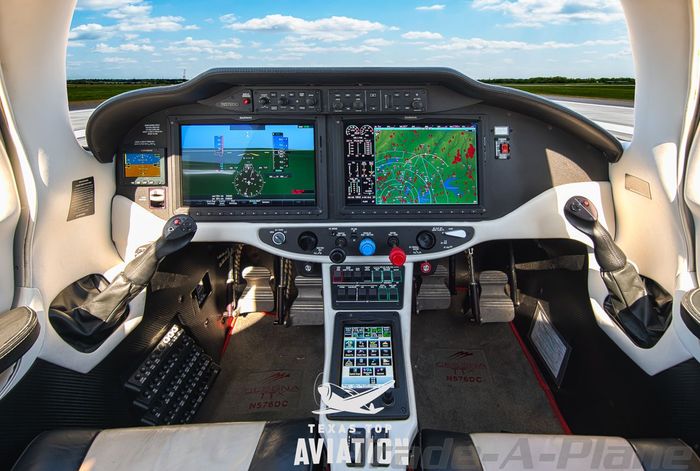
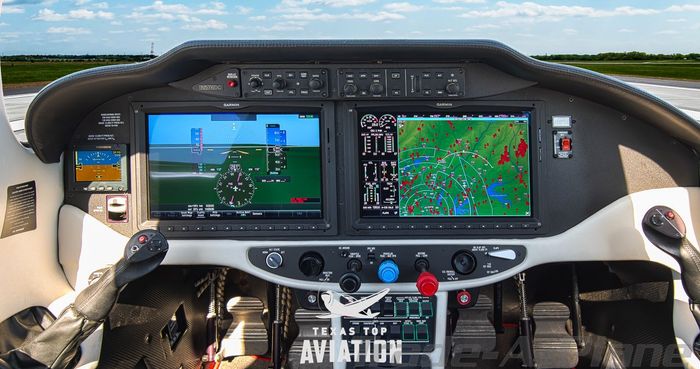
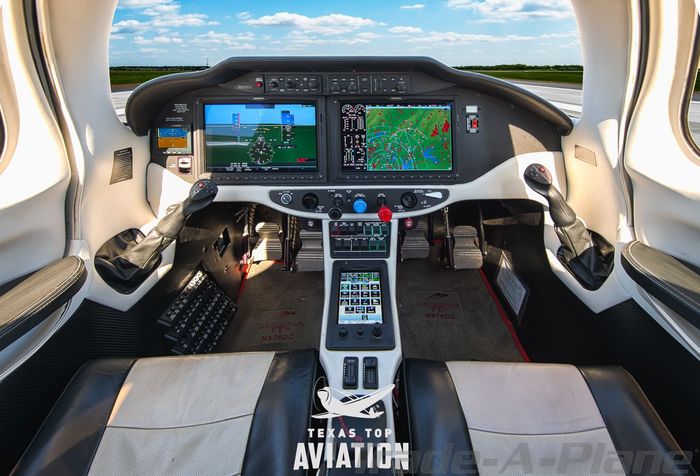
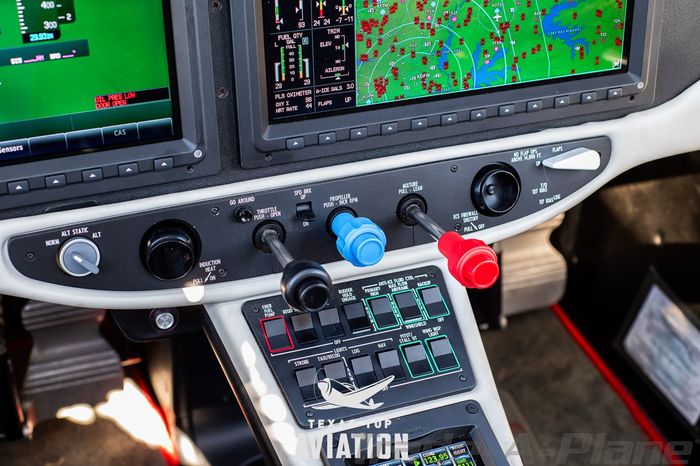
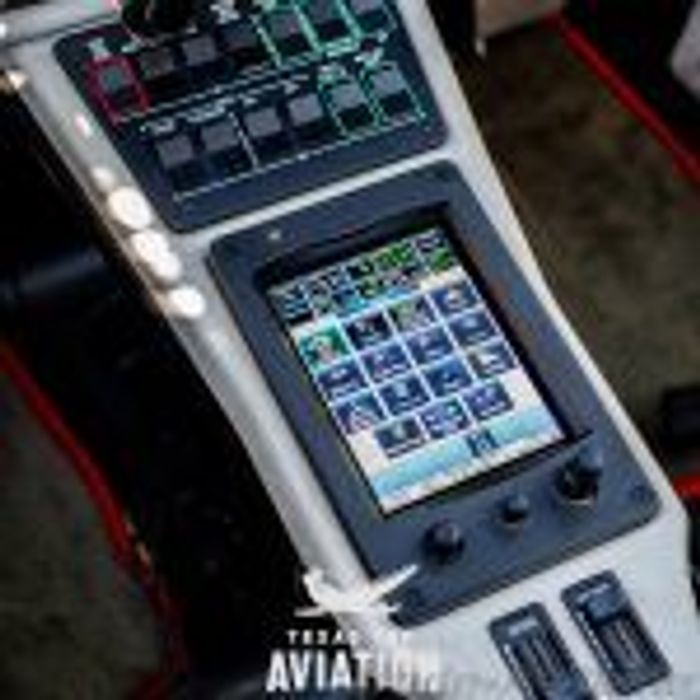
The Garmin G2000 flight deck consists of two 14-inch displays managed through a GTC-570 touchscreen controller, supported by dual GIA-63W WAAS navigators, a GTX-33ES Mode S transponder with ADS-B Out, and a GMA-36 remote audio panel. The GFC-700 autopilot includes Electronic Stability Protection, a TOGA button, electric trim and control stick steering.

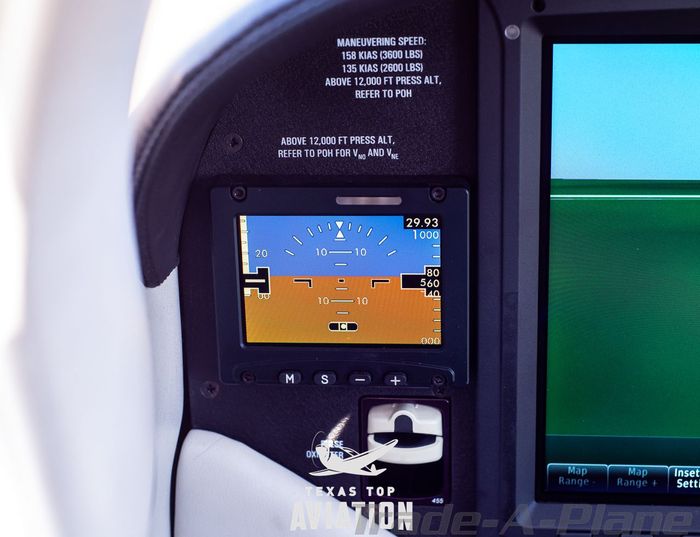
Synthetic Vision Technology, Garmin GTS-800 traffic, TAWS-B terrain, SafeTaxi, FliteCharts and SiriusXM weather and radio are installed, with an L-3 ESI-1000 Trilogy electronic standby instrument as backup.

The panel is current and complete, and a new owner should not anticipate an avionics project in the near term.

Speed is only valuable if you are able to depart. N576DC carries a TKS Deice Protection System certified for Flight Into Known Icing - the most expensive option available on the type and among the least common on the used market.

The supporting equipment is equally complete: automatic climate control with air conditioning, built-in oxygen for operations in the flight levels, heated pitot and alternate static source, a winterization kit, and the Precise Flight speed brake system for controlled descents from altitude without abrupt power reductions.

The practical effect for an owner is a higher dispatch rate. Trips that would otherwise be postponed remain viable.

GDU-1400 Primary Flight Display (PFD)
GDU-1400 Multi-Function Display (MFD)
GTC-570 Touchscreen Controller
GIA-63W NAV/COM/GPS/WAAS with Glideslope #1
GIA-63W NAV/COM/GPS/WAAS with Glideslope #2
GMA-36 Remote Digital Audio Panel with Marker Beacon and Intercom
GTX-33ES Transponder - Mode S with ADS-B Out
GFC-700 Autopilot - Go-Around Switch, Electric Trim, A/P Disconnect, Control Stick Steering
GMC-720 Auto Flight Controller System (AFCS)
GCU-275 PFD Keypad Controller
Synthetic Vision Technology (SVT)
Electronic Stability Protection (ESP)
Terrain Awareness and Warning System (TAWS-B)
Garmin GTS-800 Traffic Advisory System (TAS)
Garmin SafeTaxi and FliteCharts
Garmin SiriusXM Weather and Radio (GDL-69A)
Electronic Checklist
GEA-71 Engine/Airframe Computer
GRS-77 Attitude and Heading Reference System (AHRS) - Dual
GDC-74A Air Data Computer with OAT Probe
GMU-44 Magnetometer - Dual
ESI-1000 L-3 Trilogy Electronic Standby Instrument (Airspeed, Altimeter, Attitude)
Artex ELT-ME406 Emergency Locator Transmitter
Airframe
The TTx is the final development of the Columbia airframe. Cessna acquired the composite Columbia 400, refined it, and equipped it with the Garmin G2000 touchscreen flight deck, the GFC-700 autopilot with Electronic Stability Protection, and a redesigned interior. Production ran from 2013 until the line closed in 2018, and the number built is small.

What distinguishes this particular aircraft is its specification. Flight Into Known Icing. Air conditioning. Built-in oxygen. Speed brakes. Synthetic Vision, traffic, terrain and ADS-B Out. Oregon Aero seating. These are the items buyers search for and rarely find together on the used market, and each was fitted at the factory rather than added later.
Engines / Mods / Prop
The engine has received an oil cooler modification with a new vernatherm, a recognized improvement on the turbocharged 550 series and an indication of attentive ownership. At 1,346 hours against a published 2,000-hour TBO, there is substantial time remaining before overhaul.
Interior / Exterior
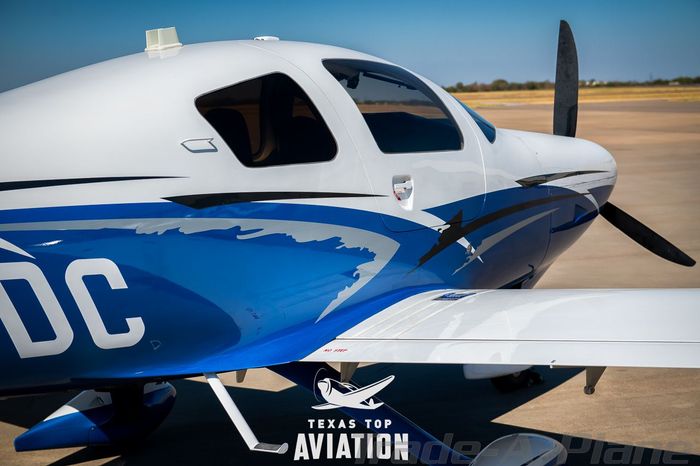
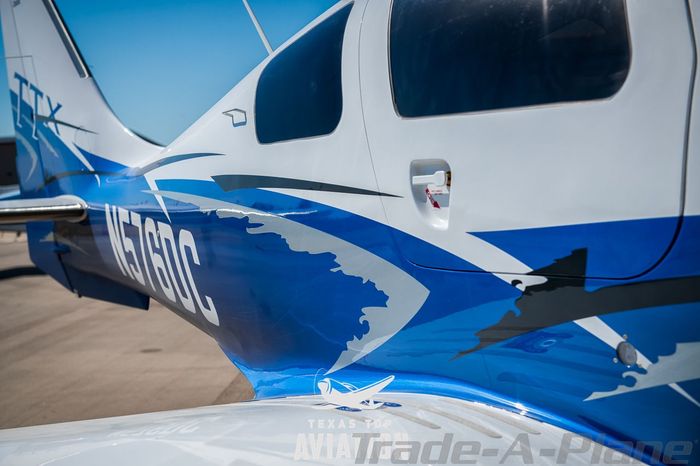
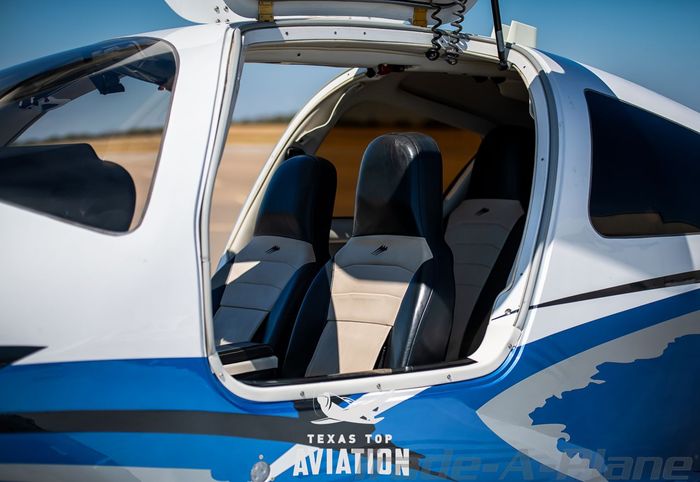
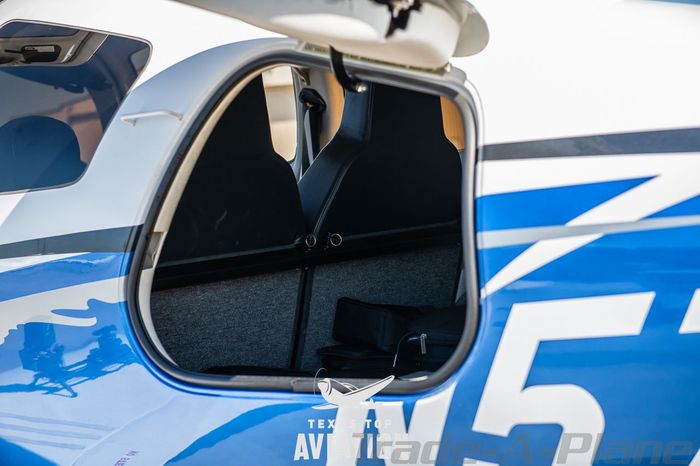
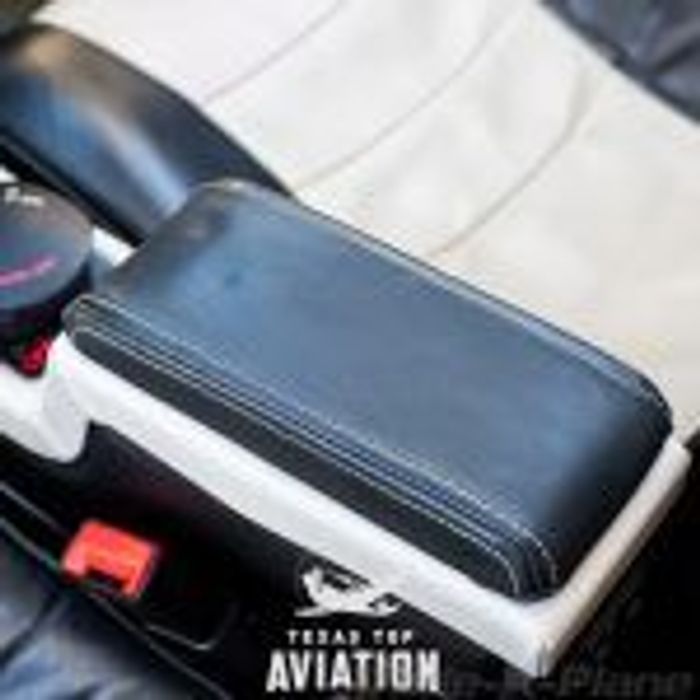
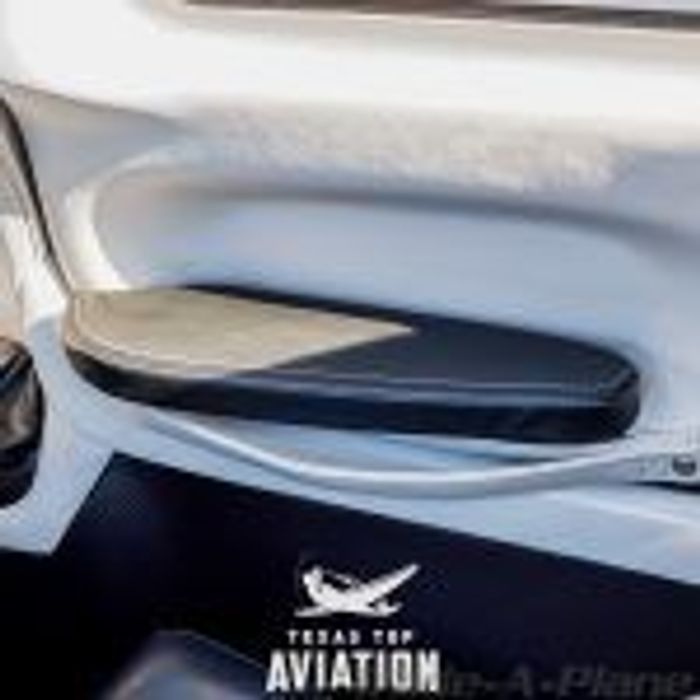
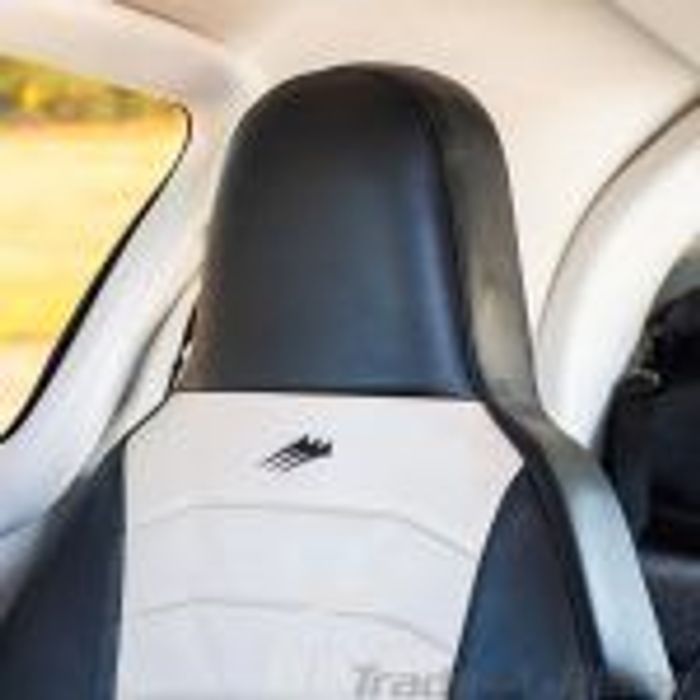
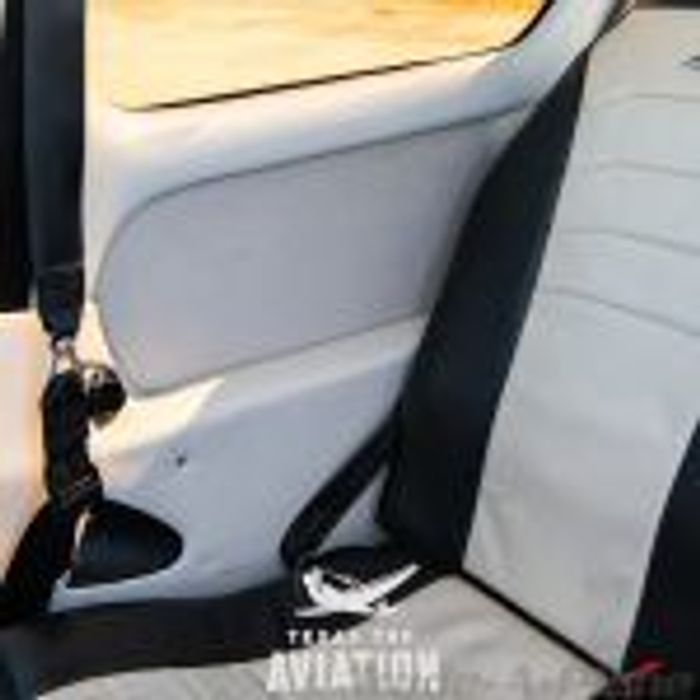
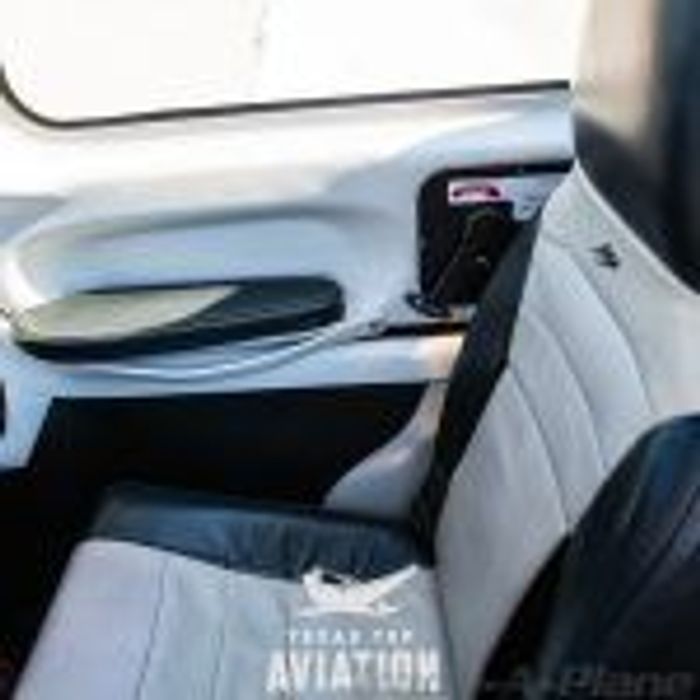
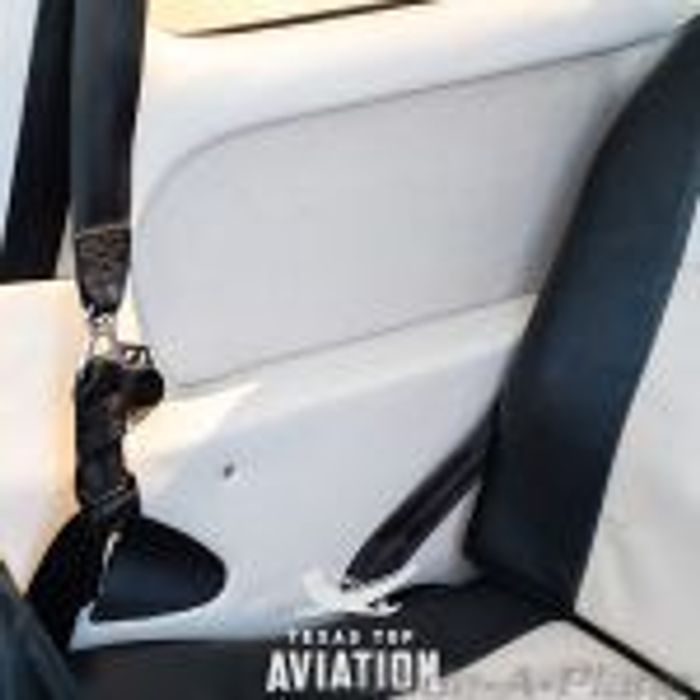
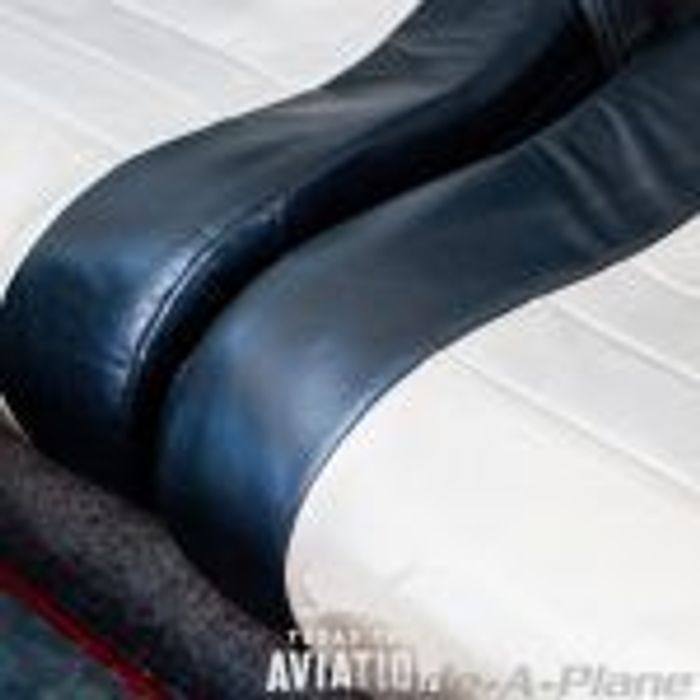
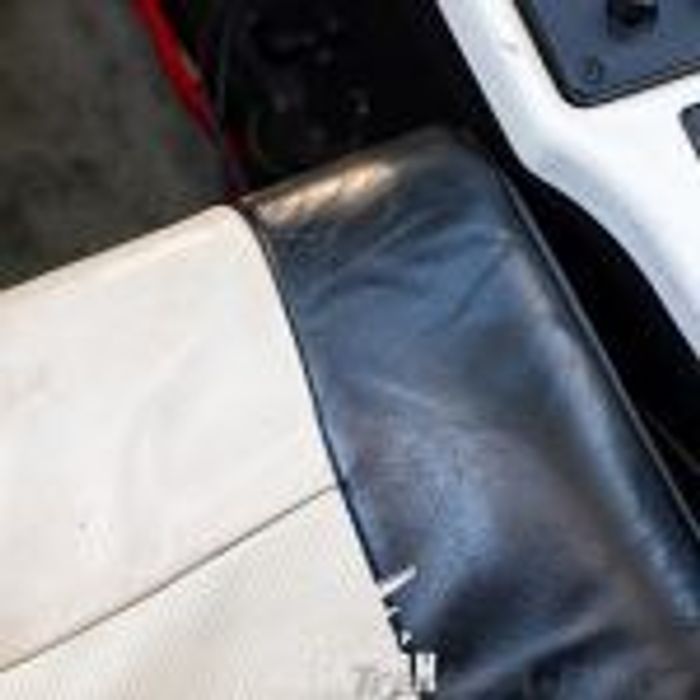
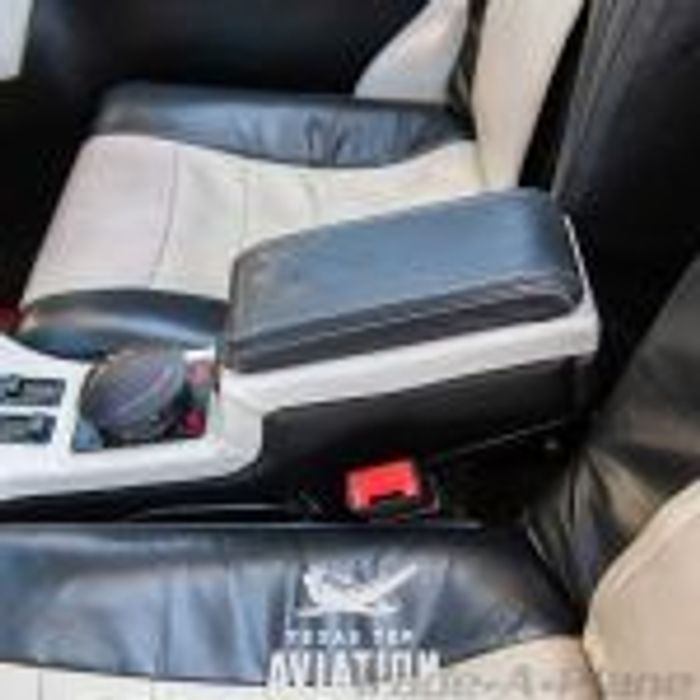
The aircraft retains its original Apex paint scheme in Matterhorn White with Starlight Silver Pearl and Steel Blue Pearl striping, over the dark interior option in black leather with crème perforated inserts and Oregon Aero sport seats. Both are rated 8 out of 10.
Remarks
TKS Deice Protection System - Certified for Flight Into Known Icing (FIKI)
Automatic Climate Control with Air Conditioning
Built-In Oxygen
Precise Flight Speed Brake System
Winterization Kit
Hot Prop
Heated Pitot System, Alternate Static Source
CO Detector / Pulse Oximeter
Rosen Sun Visors
Oregon Aero Sport Seats
Dual 12-Volt, 2-Amp Auxiliary Power Outlets
Lighted Entrance Step

310 turbocharged horsepower, a service ceiling of 25,000 feet, and 235 knots true airspeed at altitude, with published range of 1,250 nautical miles on 102 gallons of usable fuel.

Translated into trips, that is Texas to either coast with a single fuel stop, on a schedule comparable to an airline itinerary, in an aircraft you control. At the mid-teen altitudes most owners actually use, plan on approximately 210 knots true on 16 to 17 gallons per hour. For an owner flying regularly for business or family, the time returned over a year of trips is considerable.